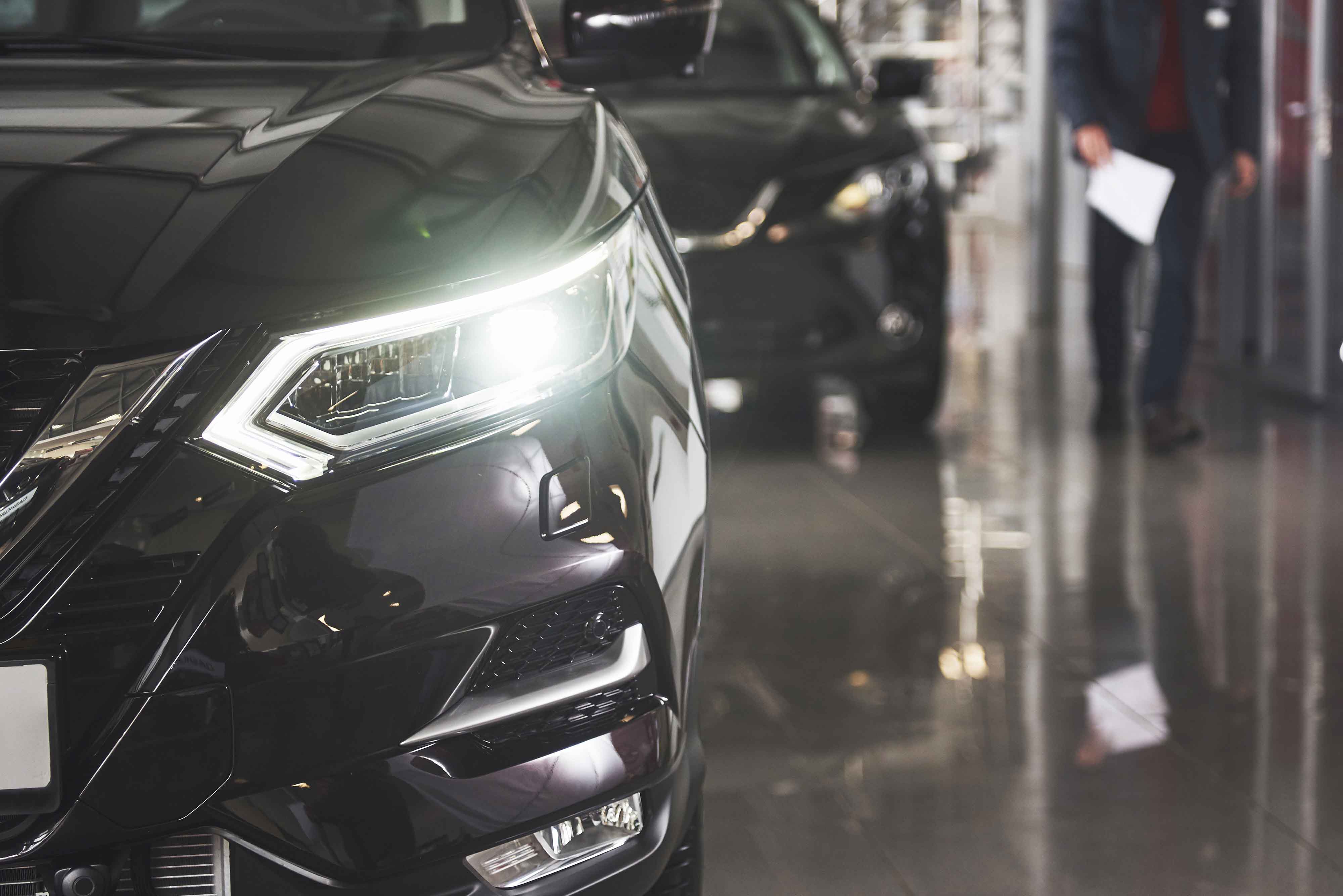
More and more stock at Australian used car auctions changes hands without the buyer standing next to the car. A dealer sees photographs, a description and an odometer reading, then decides in minutes.
Used vehicle auctions run on listings, and a listing rewards the buyer who reads it properly. It catches out the one who prices the car in the photos rather than the car in the paperwork.
The difference between those two cars can swallow a margin. Missed write-off history, an odometer that disagrees with the service books, four tyres at the legal limit: each is a bill that arrives after the hammer.
That is why experienced buyers treat an auction listing as a document to be read, not a gallery to be browsed. Reading starts with choosing where to read. Dealer2Dealer Auction operates as a dealer-only online auction platform for licensed Australian motor dealers.
What used car auctions actually sell
Listings tend to cluster around a few sources. Trade-ins the accepting dealer never planned to retail, stock aged past its retail window, light commercials moving between trades, and fleet or lease returns at the general houses.
A trade-in often arrives with a service history and a story. Aged retail stock usually presents well because someone has already spent on it. Fleet returns bring service records and hard kilometres together, and a hard-worked van may owe you more in reconditioning than the hammer suggests. The source sets the checks.
Read the listing before you read the car
Photographs of the sills, the boot floor, the engine bay and the driver's seat tell you more than a dozen angles of the front quarter.
Now look for what it leaves out. A description that mentions the new tyres but not the service history made that choice for a reason. What a listing omits is often the most expensive line on it.
Specific claims, such as a dated timing belt change or a recorded repair, can be verified. Vague praise cannot, and should be priced as if it means nothing.
Two documents beat twenty photographs
The first is a current PPSR certificate. The official register charges $2 for an online VIN search. The result covers registered security interests, stolen status and write-off history, with a certificate to keep as proof.
Write-off history is where the certificate earns its two dollars. A statutory write-off cannot be re-registered. A repairable write-off can be, in most jurisdictions, but only after inspections, and the rules differ between states. Check the rules of the state where the car will be sold rather than where it is parked.
The second document is the service history: match the last recorded odometer reading against the figure in the listing. A gap that runs backwards ends the conversation. A gap that jumps forwards by an unlikely distance is a question to ask while bidding is open.
Condition clues that survive a photograph
Tyres are the easiest place to start: the standard is objective. Australian roadworthiness rules set a minimum tread depth of 1.5 mm in the principal grooves. A car photographed with mismatched brands on the same axle is telling you how it was maintained.
Check the build plate against the compliance plate. Wholesale values usually follow the build date, and a car built in one year but complied in the next will meet that question again when you retail it. On stock complied from mid 2021 the plate gives way to a Register of Approved Vehicles entry, so look the RAV entry up online against the VIN.
Wear should agree with the odometer. A steering wheel, pedal rubbers and a driver's seat bolster that look forty thousand kilometres older than the reading are evidence, and evidence outranks a listing.
The ceiling is a sum, not a feeling
The hammer price is one line in that sum. Buyer fees, transport to your yard, reconditioning and any registration costs sit on top. Several states apply duty concessions to dealer trading stock, so the tax line varies too.
Your ceiling is the landed cost to your yard, with every line filled in. A checklist keeps the arithmetic in front of you when bidding moves quickly:
Title, finance and identity are hard stops. If the VIN cannot be verified or money is owing against the car, no price covers it; pass the lot. Everything else you cannot answer becomes a number on the risk side of your ceiling.
Distance is a pricing tool
City and country markets rarely value the same car the same way. The dealer who has spent a month hunting a diesel wagon rarely cares which city yard it stalled on.
Even after the transport bill, a unit from another region can still come in under local money. An online listing reads the same in Dubbo as in Parramatta; what the car brings in each market does not. Dealer2Dealer Auction lists stock from dealerships across Australia. An earlier guide walks through the main places dealers buy wholesale cars online.
FAQ
How do I check if an auction car has been written off?
Run a PPSR search against the VIN before you bid. The official online search costs $2 and reports write-off history, stolen status and money owing, backed by a certificate. A statutory write-off cannot be re-registered, and a single find repays a career of two dollar searches.
Are used car auctions open to the public in Australia?
If a sale admits the public, the trade is no longer setting the prices. Many general auctions admit private buyers; wholesale channels admit the trade only. Know which type you are standing in before you judge the results.
Why are cars cheaper at auction than on a retail yard?
Once buyer fees, transport and reconditioning are counted, the saving is smaller than the hammer price implies. The buyer inherits the preparation work a retail yard has already paid for.
Can dealers buy at auction without inspecting the car in person?
What matters is whether the listing gives you enough to price the risk. Clear photographs of the sills and boot floor, a current PPSR certificate and a verifiable service history cover most of it. Where those are missing, price the unknown into your ceiling or let the lot pass.
Buying well from a screen
None of these checks needs a walk through a physical lane. They need a VIN, a few dollars, and the patience to read a listing twice.
The buyers who do it consistently turn used car auctions from a gamble into a sourcing method. The ones who skip it fund everyone else's bargains.
Register with Dealer2Dealer Auction and put that reading to work. Buying is open to every licensed dealer, and dealer-to-dealer selling is coming soon. The vehicle does not travel to an auction site.
.jpg)